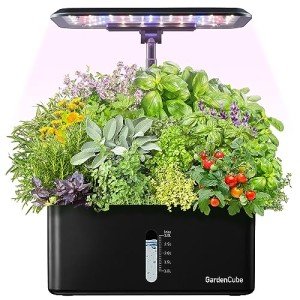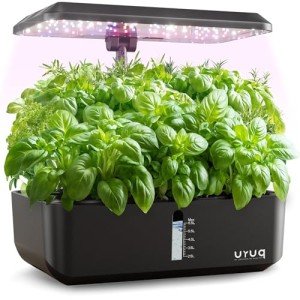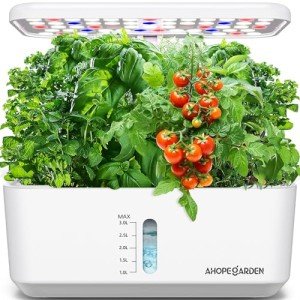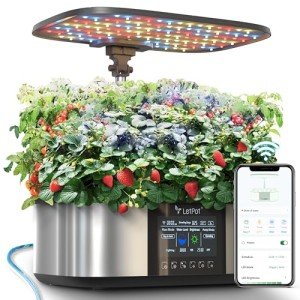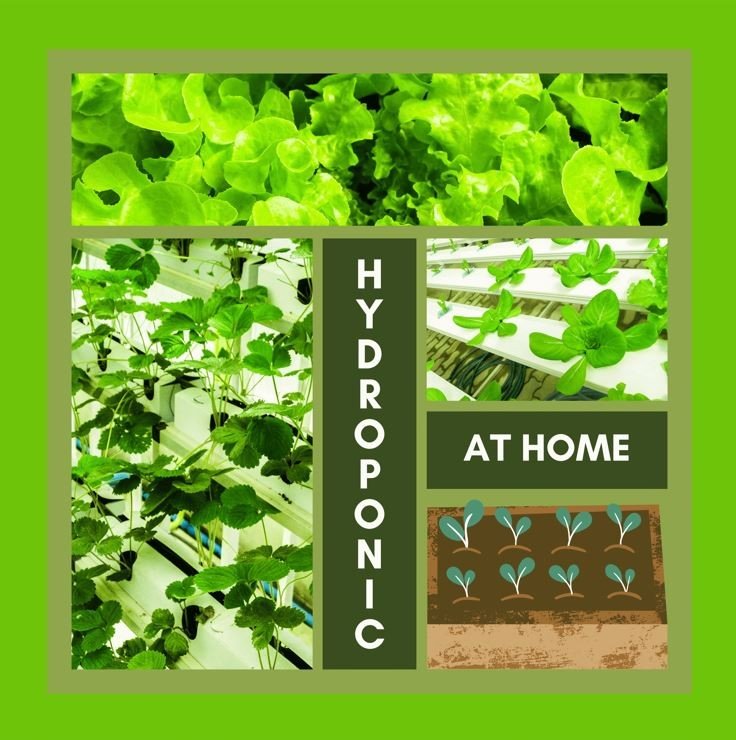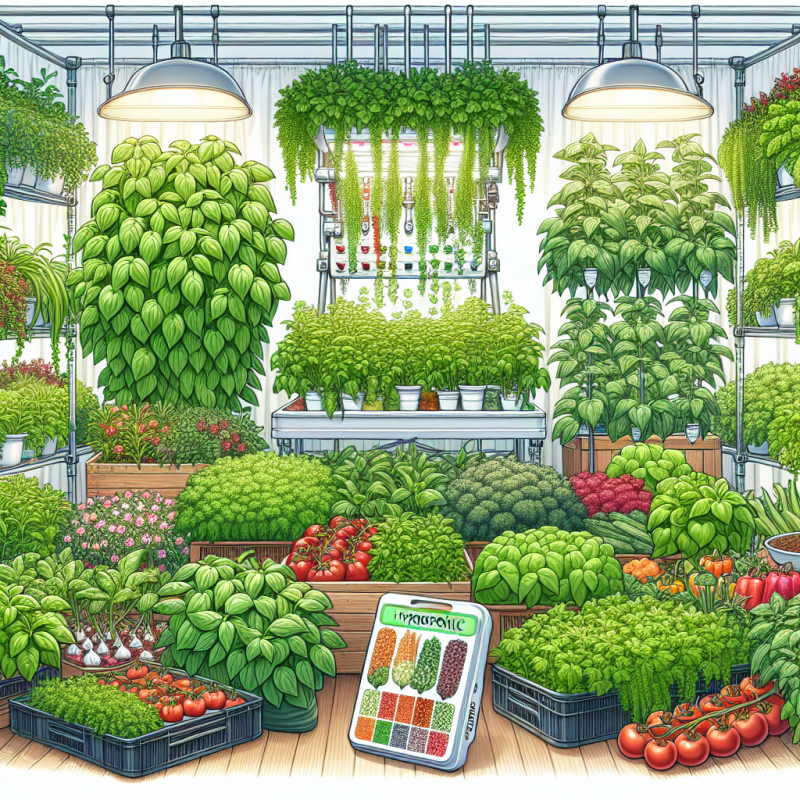
Hydroponics is a cool way to grow plants without soil! Instead of using dirt, it relies on nutrient-rich water to feed your plants. This method is great for anyone who wants to save space, as you can grow food right in your home. Plus, it’s perfect if you're short on time, since plants often grow faster in a hydroponic system than in traditional soil.
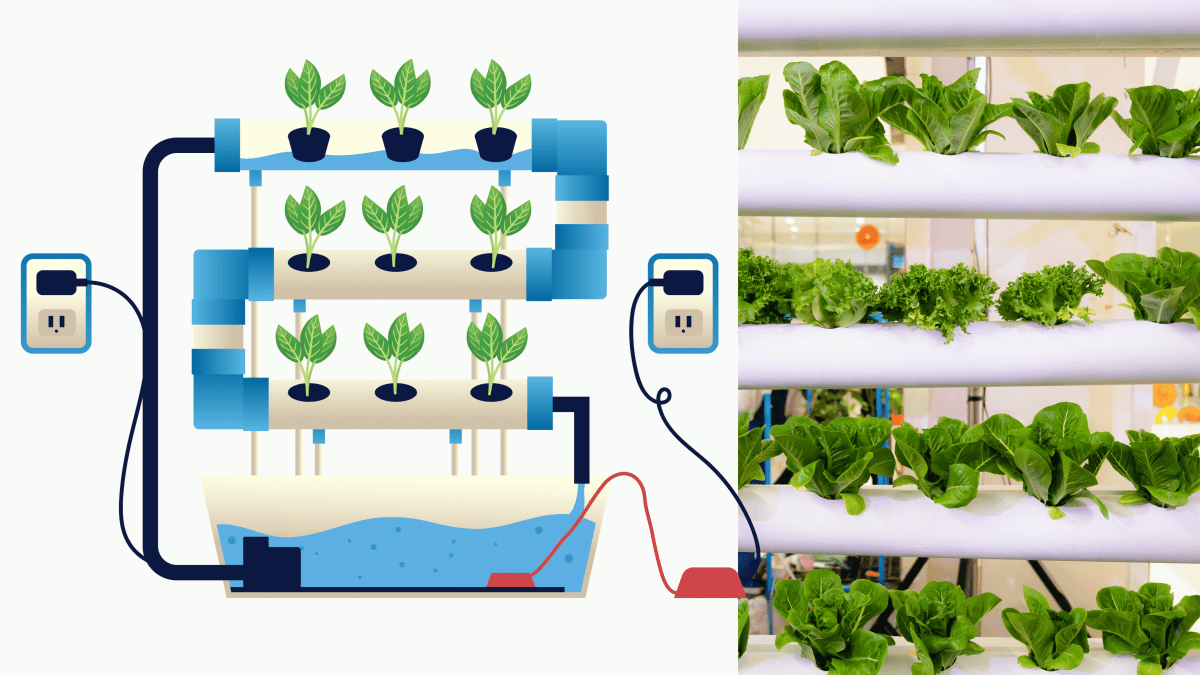
So, how does it work? Essentially, the roots of the plants sit in a water solution that contains all the nutrients they need. You can use different systems to deliver this water, such as deep-water culture, nutrient film technique, or aeroponics. Each one has its own setup and benefits, but the main goal is to keep the roots moist and well-fed.
One of the biggest perks of Hydroponics is that you can control the growing environment. This means you can adjust things like the pH levels, light, and airflow to get the best possible results. It's like being a plant superhero, making sure they thrive exactly how you want them to!
For beginners, starting with a simple system can be a great way to dive in. You don’t need to invest in expensive gear right away; even a small setup using jars or buckets can work wonders. Plus, there are plenty of easy-to-grow plants that are perfect for newbies, like lettuce, herbs, and strawberries.
Choosing the Right Setup for You
When diving into hydroponics, picking the right setup can feel a bit overwhelming. But don’t worry! Whether you're short on space or ready to go all out, there’s a system meant for you.
First, think about what you want to grow. If you're just starting out, leafy greens like lettuce and spinach are super forgiving. They don’t require complicated systems to thrive. For beginners, a simple deep water culture or a nutrient film technique can be a great way to ease into hydroponics without breaking the bank or your patience.
Next, consider your available space. If you're tight on room, vertical systems or small-scale hydroponic kits can be lifesavers. These take up minimal space while giving you the chance to grow a variety of plants. On the other hand, if you have a larger area, a larger setup like a flood and drain system might be the way to go. Just make sure to plan for adequate light and airflow!
Finally, think about your commitment level. Hydroponics can be as low-maintenance or as involved as you want. If you prefer a hands-off approach, look for systems that are more automated. You’ll still get to enjoy the joy of growing without constantly checking on things. If you love being hands-on, dive into the details of nutrient mixes and pH balance. It's all about what makes you comfortable!
Essential Nutrients for Healthy Plants
When it comes to hydroponics, understanding the essential nutrients for your plants is key to their growth and health. Unlike traditional soil gardening, hydroponics relies solely on nutrient solutions to feed plants. This means you need a good grasp of what your plants need to thrive!
Here are the vital nutrients your hydroponic plants will need:
In addition to these macronutrients, don’t forget about micronutrients like iron, manganese, and zinc. Even though they’re needed in smaller amounts, they play an important role in keeping your plants healthy and productive.
When setting up your hydroponics system, make sure to choose nutrient solutions that contain a balanced mix of these essential nutrients. With the right care and attention, your hydroponic garden can flourish, providing you with a bountiful harvest!
Common Mistakes to Avoid as a Beginner
Jumping into hydroponics can be exciting, but it’s easy to make some beginner mistakes. Here are a few things to keep in mind to set yourself up for success.
First off, don’t skimp on research. Many beginners think they can just buy some seeds and water and call it a day. But hydroponics requires an understanding of pH levels, nutrient solutions, and light conditions. Take time to read guides or watch videos that explain the basics. Knowledge is power, and it’ll save you from a lot of frustration down the road.
Another common mistake is overwatering. It might sound strange since you're not using soil, but it’s easy to think that more water means more growth. Plants in hydroponics thrive on a nutrient-rich solution, not standing water. Make sure the roots stay moist but not soaked. Finding that balance can be tricky, but it’s crucial for healthy plants.
Lastly, don’t ignore lighting. Many beginners underestimate how much light their plants need. If you’re using natural light, be aware of how the seasons change light availability. If you’re using artificial lights, get a timer to ensure your plants receive a consistent light cycle. This can make a huge difference in your yield and will keep your plants happy.