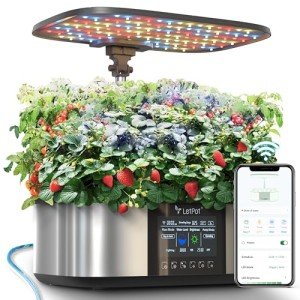
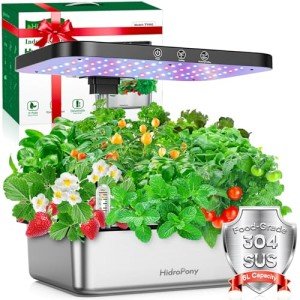
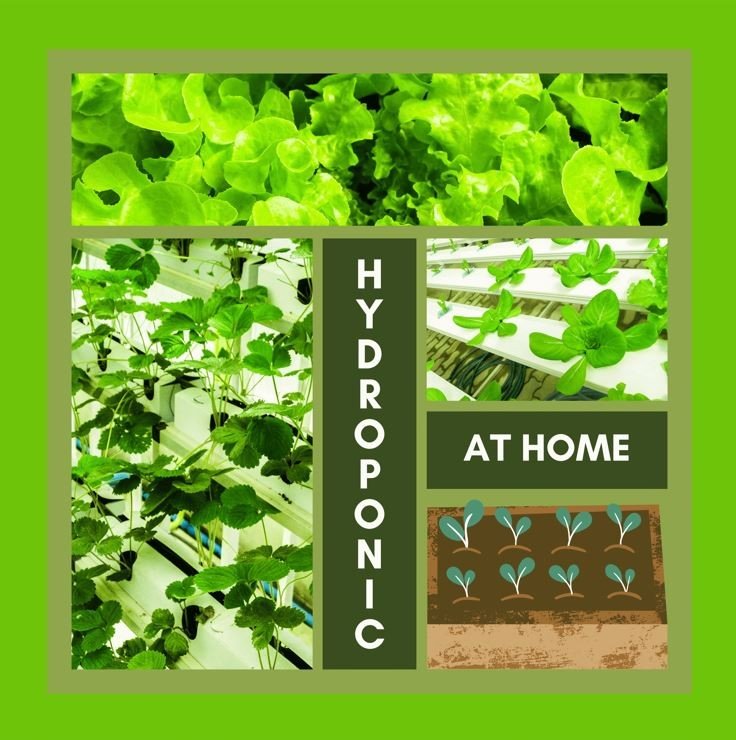
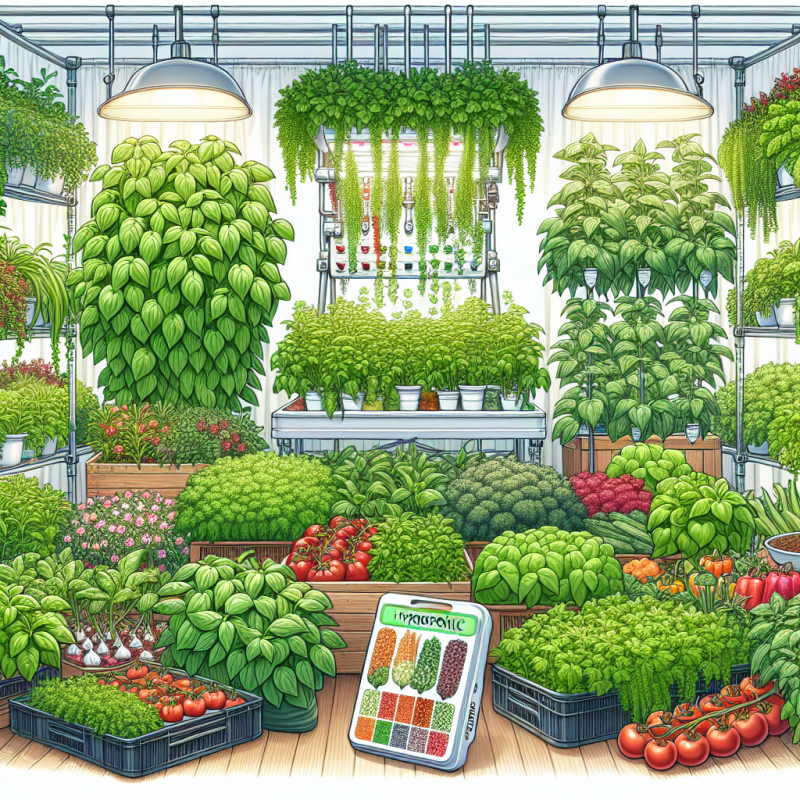
If you’ve ever dreamed of growing your own fresh veggies or vibrant flowers without needing a big backyard, hydroponics might just be the answer! This innovative gardening method lets you grow plants in a nutrient-rich water solution instead of soil. It’s a game-changer for urban gardeners, beginners, or anyone looking to maximize their growing potential.
One of the biggest perks of hydroponics is the speed at which plants grow. Because they’re directly nourished by water, plants can soak up nutrients more efficiently than when they’re in soil. This often leads to faster growth rates, and who doesn’t want fresh lettuce on the table sooner? Plus, without the soil, you’re less likely to deal with common pests and diseases that can ruin a garden.
Hydroponics is also super space-efficient. Whether you're using a small balcony, a countertop, or a dedicated indoor space, this method allows you to grow a variety of plants in a compact setup. You can stack systems or use vertical gardening, which makes it easy to turn even the tiniest area into a productive garden.
Another great plus is the control you have over your growing environment. With hydroponics, you can adjust pH levels, nutrient concentrations, and much more. This level of control can lead to healthier plants and better yields, so you can enjoy the fruits of your labor (literally) without much hassle!
Easy Steps to Get Started
Getting started with hydroponics can be easier than you think! Here are some simple steps to help you dive right into this rewarding way of growing plants.
1. Choose Your System: There are several hydroponics systems out there, like nutrient film technique, deep water culture, and drip systems. Pick one that fits your space and needs. If you’re just starting, something simple like a deep water culture system is perfect.
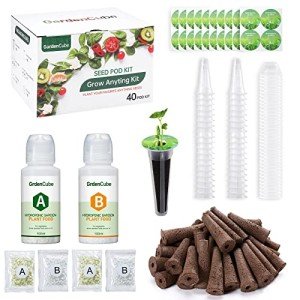
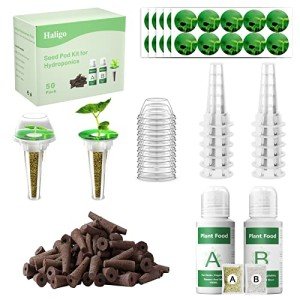
2. Gather Your Supplies: You’ll need a few basic items to set up your hydroponics system. Think about:
3. Pick Your Plants: Choose what you want to grow. Leafy greens, herbs, and even strawberries are great options for hydroponics. Be sure to select seeds that are suitable for your chosen system and growing space.
4. Set Up and Monitor: Follow the instructions for your hydroponics system. Once it's set up, check on your plants regularly. Ensure they’re getting enough light, nutrients, and clean water. Watching them grow is one of the most exciting parts!
Top Benefits of Hydroponic Growing
Hydroponics offers a fresh and innovative way to grow plants without soil. One of the biggest perks is that it uses significantly less water compared to traditional farming. This method allows plants to soak up water directly from the nutrient-rich solution, which means you can save on your water bill and help the environment too!
Another fantastic benefit of hydroponics is the speed at which plants grow. Without the need for soil, plants can access nutrients more efficiently. Many growers notice that their plants mature faster, so you’ll be able to enjoy your vegetables or flowers sooner than you might with conventional methods. Imagine biting into a juicy tomato a couple of weeks earlier than you planned!
Hydroponics also opens up the door to growing in nearly any environment. Whether you live in a small apartment or a location with poor soil quality, hydroponics can work for you. You can set up your system indoors or outdoors, and many setups are compact enough to fit on a balcony or countertop.
Finally, growing with hydroponics means you can have better control over growing conditions. With the right setup, you can manage things like light, temperature, and nutrients. This means you can avoid some of the common problems faced by soil gardeners like pests and diseases, giving you a healthier and more flourishing garden.
Common Mistakes to Avoid in Hydroponics
Getting started with hydroponics is exciting, but it’s easy to make a few common mistakes along the way. Here are some pitfalls to avoid to ensure your hydroponic garden thrives.
1. Overwatering: It may sound odd, but in hydroponics, less can be more. Many beginners think their plants need constant water, but too much can drown the roots. Make sure your system allows for proper drainage and that you're not saturating your plants.
2. Skipping pH Testing: The pH level in your nutrient solution can make or break your setup. If it’s too high or too low, plants can’t absorb nutrients properly. Regularly check and adjust the pH to keep your plants happy.
3. Ignoring Light Needs: Different plants have different light requirements, and hydroponics isn’t a “set it and forget it” deal. Pay attention to how much light your plants need. Whether you need to supplement with grow lights or adjust their position, make sure they’re getting what they require to thrive.
4. Poorly Balanced Nutrients: Hydroponics requires a fine balance of nutrients. Using too much or too little can stress your plants. Always follow the guidelines for your specific plants and be sure to adjust as they grow.