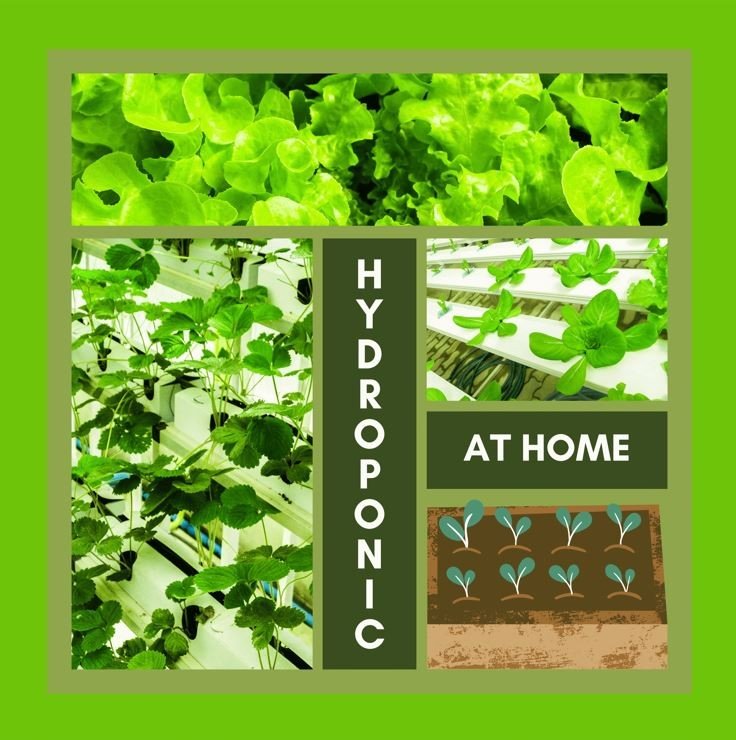
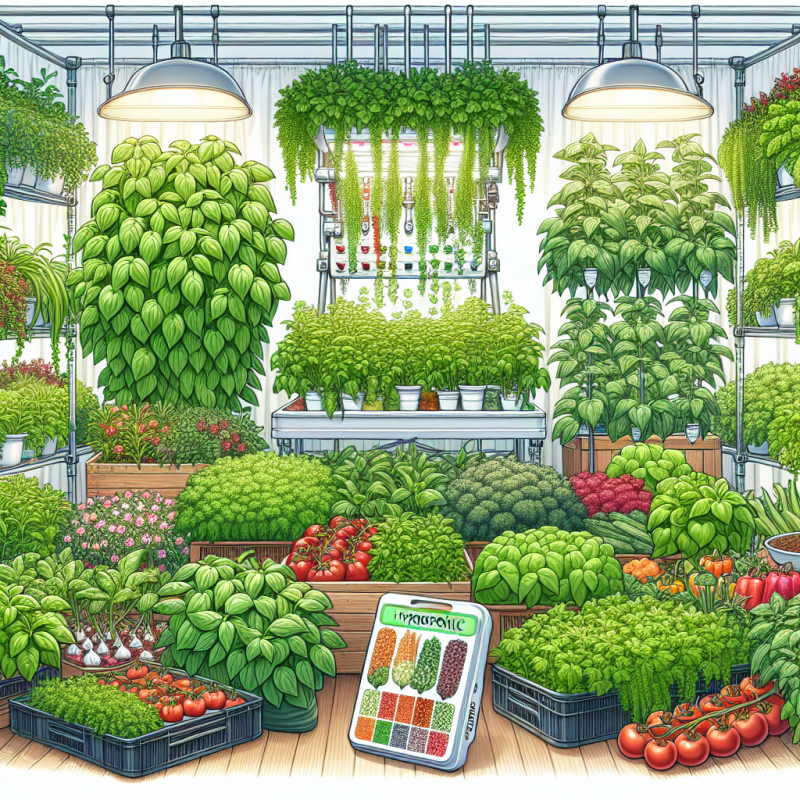
Hydroponics is a method of growing plants without soil, using a nutrient-rich water solution instead. This might sound a bit strange, but it's a fantastic way to cultivate plants, especially if you're short on space or want to grow indoors. In hydroponics, plants get everything they need to thrive directly from the water, which means they can grow faster and healthier compared to traditional soil gardening.
The beauty of hydroponics is that it allows you to control the growing environment. You can adjust the nutrients, pH levels, and even the light your plants receive. This means you can optimize growth and yield, resulting in more produce in less time. Plus, since you're growing without soil, you can avoid a lot of the pests and diseases that come with traditional gardening.
There are several types of hydroponics systems, including deep water culture, nutrient film technique, and aeroponics. Each has its advantages, depending on what you're trying to achieve. For example, deep water culture is great for beginners because it's simple to set up and maintain. On the other hand, aeroponics can produce amazing results with the right care and attention.
If you're looking to start your own hydroponic garden, remember that it's not just about the plants; it's also about creating a setup that works for you. Whether you want to grow herbs on your kitchen counter or create a larger garden in your basement, there are options to fit every space and skill level. Hydroponics makes gardening accessible and fun, so why not give it a try?
Key Benefits of Hydroponic Systems
Hydroponics offers some amazing benefits that can make your gardening experience more rewarding. For starters, you can grow plants without soil! This method uses nutrient-rich water to feed your plants, which means you get to skip the mess of traditional gardening. Just imagine having vibrant herbs or veggies right on your kitchen counter!
Another great perk is how efficient hydroponics is. Since plants can absorb nutrients quickly through water, they tend to grow faster and yield more produce than plants grown in soil. This means you can enjoy fresh greens and herbs in a matter of weeks instead of months. Plus, you have more control over the growing conditions, so you can tweak things like pH and nutrient levels to suit your plants' needs.
Water conservation is yet another awesome advantage. Hydroponics systems typically use less water than soil gardening since the water is recirculated. This not only helps save water but also reduces the risk of overwatering your plants. It's a smart choice for those looking to be eco-friendly and efficient in their gardening practices.
Lastly, with hydroponics, you can grow your favorite plants year-round. No more worrying about seasonal changes or pests ruining your garden. Whether you live in an apartment or have limited outdoor space, hydroponics gives you the flexibility to grow fresh produce anytime you want. It's a fantastic way to enjoy gardening without the usual restrictions!
Common Hydroponic Methods Explained
When it comes to hydroponics, there are several methods you can choose from, each with its own benefits. If you’re new to this soil-free gardening trend, it's helpful to understand the common methods used to grow plants without dirt.
Nutrient Film Technique (NFT): In this method, a thin layer of nutrient-rich water flows over the roots of the plants. This setup usually involves sloped channels where the water can circulate continuously, so the plants get just the right amount of nutrients while also getting plenty of oxygen. It’s great for fast-growing leafy greens like lettuce!
Deep Water Culture (DWC): Imagine plants sitting in a bucket of water with their roots submerged. That’s DWC! The roots dangle into an oxygenated nutrient solution, making it easy for the plants to absorb what they need. This is a fantastic choice for beginners because it’s pretty simple to set up and maintain.
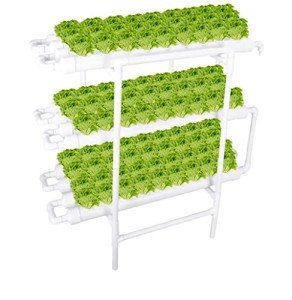
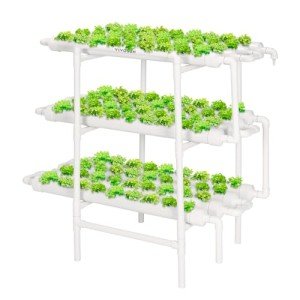
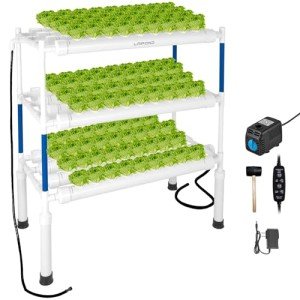
Vertical Farming: If you're short on space, vertical farming could be your go-to. This method stacks plants in layers, maximizing your growing area. With the right hydroponics setup, you can create a mini-garden even in small apartments. It not only looks unique but also allows for better air circulation and light exposure.
Ebb and Flow System: Also known as a flood and drain system, this method temporarily floods the plants' roots with nutrient solution and then drains it away. It's effective for various plant types and can support larger crops. The cycles allow for roots to absorb nutrients while also getting oxygen once the water drains away.
Getting Started with Hydroponics
If you're curious about Hydroponics, you're not alone! Many gardening enthusiasts are turning to this innovative method to grow plants without soil. It’s a game changer that allows you to control every aspect of growth, from nutrients to light, resulting in healthier plants and better yields. Getting started is easier than you think!
First things first, you’ll need to decide on a Hydroponics system. There are several popular options you can choose from:
Next, you’ll want to gather some essential supplies. You’ll need:
Once you have your system set up, it's all about monitoring. Hydroponics requires a bit of attention to detail. Keep an eye on pH levels and nutrient concentrations. Adjust as needed to ensure your plants thrive. With a little patience and care, you'll soon see the fruits of your labor (literally!) grow before your eyes.