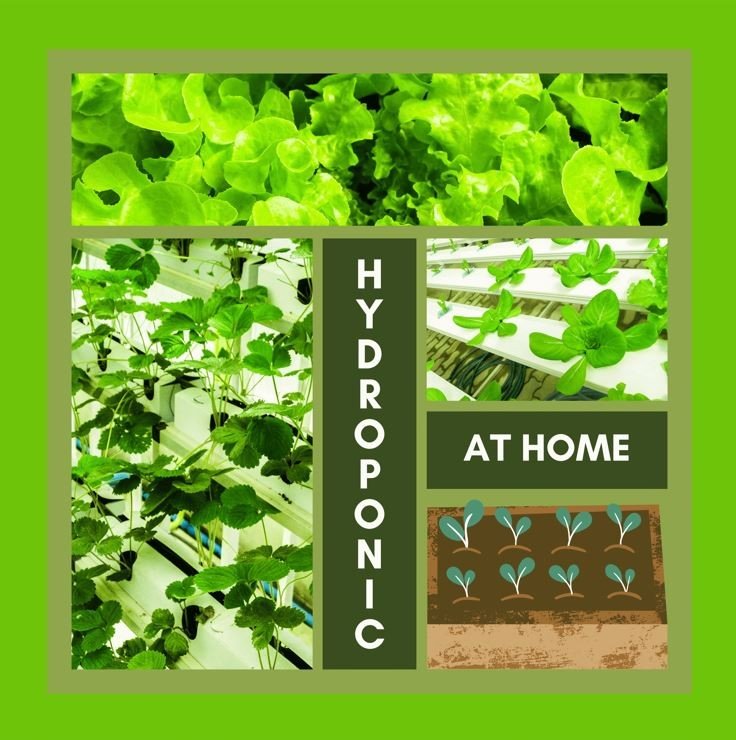

Are you ready to take your gardening game to the next level? Hydroponic seeds might be just what you need! They're specially designed for outdoor and indoor hydroponic systems, making it easier than ever to grow healthy and vibrant plants without soil. This means more control over what your plants need and way less mess!
When it comes to choosing hydroponic seeds, you'll find a range of options. From leafy greens like lettuce and spinach to mouthwatering herbs like basil and mint, there's something for everyone. Plus, many plants grow faster in hydroponic setups because they get direct access to nutrients. So, if you're looking to grow food quickly and easily, hydroponic seeds are worth considering!
Before you dive in, here are a few tips:
Once you have your hydroponic seeds, it’s all about setting up your system. Whether you're using a deep water culture, nutrient film technique, or even a simple Kratky method, your seeds will thrive when given the right conditions. So, get ready to watch your plants grow like never before!
Easy Steps to Start Hydroponic Gardening
If you're excited to dive into hydroponic gardening but don't know where to start, you're in the right place! Starting this unique gardening method is easier than you might think. Here’s how to get going in just a few simple steps.
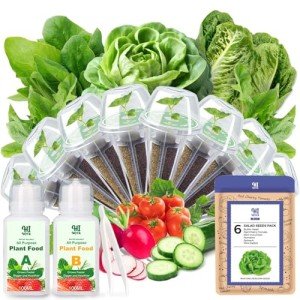
1. Choose Your Setup: There are various hydroponic systems to pick from, like deep water culture, nutrient film techniques, or aeroponics. For beginners, a simple setup like a Kratky method or a small deep water culture system works well. You can even buy starter kits that come with everything you need!
2. Select Your Seeds: When it comes to seeds, you can grow a range of delicious veggies and herbs. Popular choices include lettuce, basil, and kale. Look for seeds labeled as hydroponic for the best results, but regular seeds can also work just fine.
3. Mix Your Nutrient Solution: Hydroponic plants need nutrients! Purchase a quality nutrient solution designed for hydroponics and mix it according to the instructions. This will provide your plants with everything they need to thrive without soil.
4. Monitor Water Levels and pH: Keep an eye on your system's water levels and pH. Plants generally prefer a pH between 5.5 and 6.5. Regular checks will help you catch any issues early, ensuring your plants stay healthy and strong.
Now that you have these easy steps, you’re all set to begin your hydroponic gardening adventure! Enjoy the process, and soon you'll be enjoying fresh, home-grown produce right from your own setup.
Benefits of Using Hydroponic Seeds
Hydroponic seeds offer a fantastic way to grow your plants, especially if you’re looking for efficiency and quality. One of the biggest benefits is how fast these seeds sprout. Since they’re designed specifically for hydroponic systems, you’ll often see quicker germination compared to traditional soil seeds. This means you can start enjoying fresh produce in no time!
Another major perk is the consistency of growth. Hydroponic seeds are bred to thrive in nutrient-rich water, which means plants tend to grow healthier and more uniform. This can lead to bigger yields, so whether you’re growing veggies for your family or even for a small business, you can expect a good payoff.
Hydroponic systems also save space. If you’re short on gardening area or just want to maximize what you have, these seeds are perfect. You can stack your plants vertically, allowing you to grow more in less area. Plus, since weeds and pests are less of a problem in hydroponics, it’s easier to maintain your garden.
Lastly, using hydroponic seeds is a sustainable choice. They require less water than traditional gardening methods, and you won’t need to rely on harmful pesticides. This not only helps the environment but also means your harvested plants are healthier for you and your loved ones!
Tips for Successful Hydroponic Growth
Getting started with hydroponic gardening can be super exciting! Here are some handy tips to help you achieve a thriving garden:
Remember, every plant has its own needs, so it’s a good idea to do a little research on what you’re growing. With the right approach, you’ll be enjoying fresh veggies and herbs in no time!