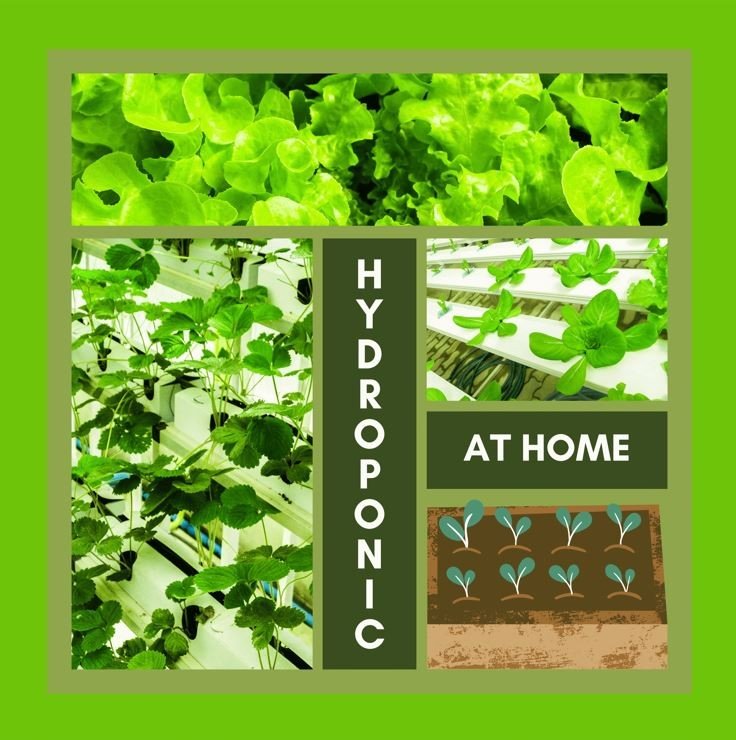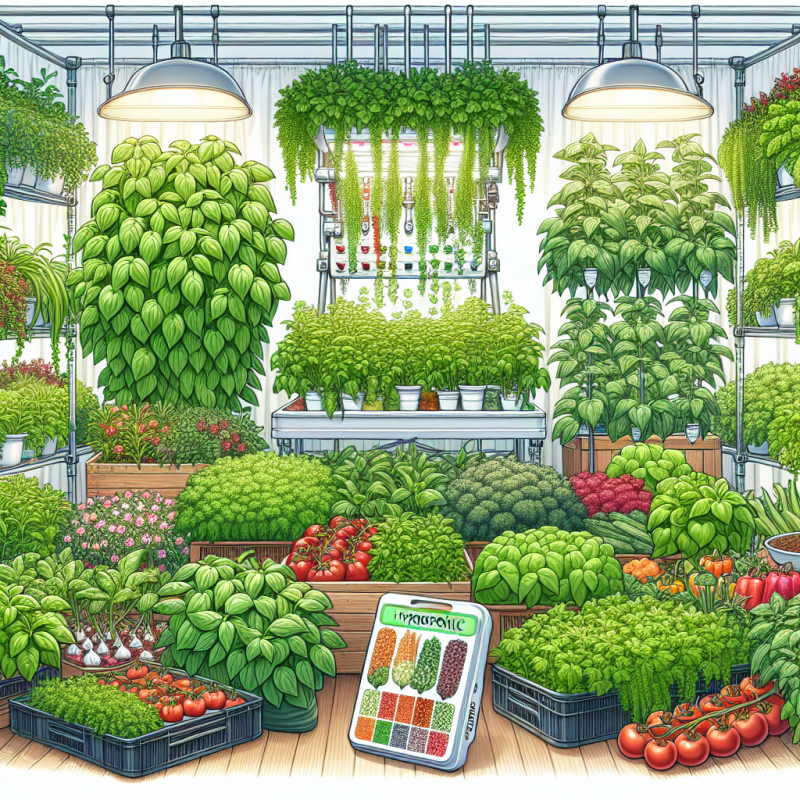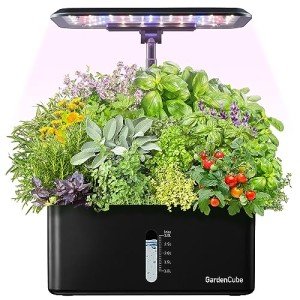
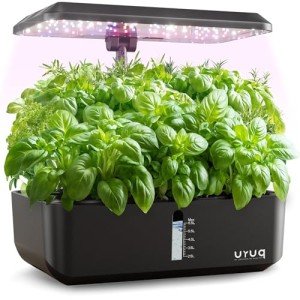
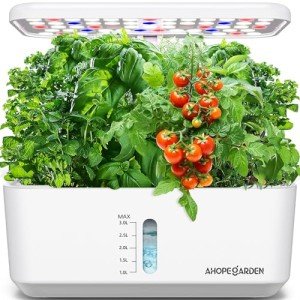
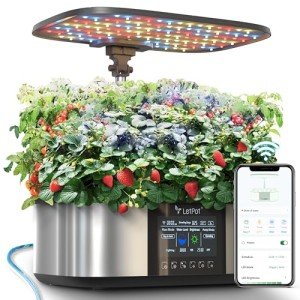
If you're curious about hydroponics and want to dive in, taking the first steps is easier than you think. A solid hydroponic starter setup can lead to a thriving garden right in your home. To get started, you don't need a ton of complex equipment—just a few essentials and a bit of patience.
First off, decide what type of hydroponic system you want to use. There are several options like Deep Water Culture (DWC), Nutrient Film Technique (NFT), and more. Each has its perks, but if you're just starting out, DWC is often the go-to choice. It's straightforward and allows your plants to develop healthy roots directly in the nutrient solution.
Next, gather your supplies! Here's a simple checklist for your hydroponic starter setup:
Finally, pick your plants! Leafy greens like lettuce and herbs like basil are fantastic choices for beginners. They grow quickly and don’t demand a lot from your setup. Once you’ve got everything in place, it’s all about monitoring and adjusting. Keep an eye on your nutrient levels and make sure your plants are getting enough light, and you'll be well on your way to enjoying your hydroponic bounty!
Choosing the Right Hydroponic System
When it comes to your hydroponic starter setup, picking the right system can make all the difference in your growing experience. With various options out there, it’s important to choose one that fits your needs, space, and skill level.
First off, think about the space you have available. If you’re working with limited room, a small system like the Kratky method or a simple nutrient film technique (NFT) might be the best fit. These setups take up less space and are typically easy to manage, making them perfect for beginners.
Next, consider what you want to grow. If you have your heart set on larger plants, a deep water culture (DWC) system could be your go-to. It allows for quicker growth and is great for larger crops like tomatoes or peppers. For smaller herbs or leafy greens, aeroponic systems can be a fantastic option that provides oxygen directly to the roots.
Lastly, think about your budget and maintenance level. Some hydroponic systems require more investment and upkeep than others. If you prefer something low-maintenance, a passive system like a Wick system may be your best bet. But if you want to dive deeper into gardening and experiment, investing in a more complex system could be worth it.
Essential Equipment You’ll Need
These essentials will set you on the right track for your hydroponic starter setup. With the right equipment, you’ll be well on your way to growing healthy and happy plants! Don't forget to check out other useful tools that can make your gardening life a bit easier, too.
Tips for First-Time Growers
Getting started with your hydroponic starter setup can feel a bit overwhelming, especially if it’s your first time growing plants this way. But don't worry—I've got some handy tips to help you navigate the process smoothly!
First things first, choose the right system for your needs. There are several types of hydroponic systems, like Deep Water Culture, Nutrient Film Technique, and Ebb and Flow. If you're just starting out, look for a simpler system that requires less maintenance. This way, you can focus on learning the basics without getting bogged down in complicated setups.
Next, pay close attention to your nutrient solution. It’s what your plants will feed on, and it needs to be balanced. Make sure you use high-quality nutrients specifically designed for hydroponics. Mixing them according to package instructions is key to keeping your plants healthy. Don’t forget to check pH levels regularly, as they can affect nutrient uptake!
Lighting is another crucial factor in your hydroponic starter setup. Invest in good grow lights if you're growing indoors. LED lights are energy-efficient and provide the right spectrum for plant growth. Position the lights at an appropriate distance from your plants to ensure they get the right amount of light without burning them.
Finally, be patient and have fun with it! Growing hydroponically is a learning experience, and it might take time to find what works best for you. Keep experimenting, don’t be afraid to ask for advice from other growers, and celebrate those little victories as your plants flourish.